The Ultimate Guide to Choosing the Perfect Moisturizer
Choosing the right moisturizer is essential for maintaining healthy and glowing skin. With so many options available, it can be overwhelming to make the right selection. To simplify your decision, consider the following factors:
- Skin Type: Identify whether you have oily, dry, combination, or sensitive skin, as this will significantly influence the kind of moisturizer you need.
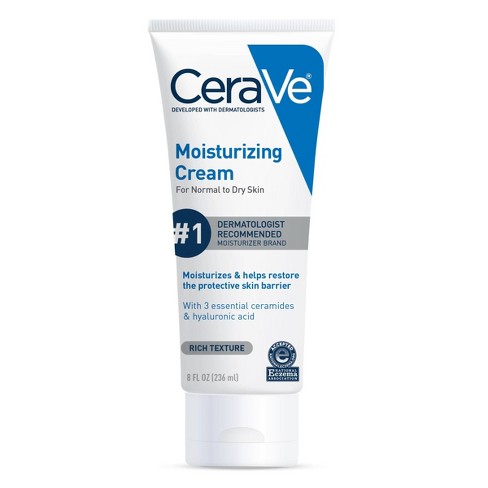
- Ingredients: Look for key ingredients such as hyaluronic acid for hydration, glycerin for moisture retention, and ceramides for barrier protection.
- Climate: Your environment can affect your skin's moisture needs. For instance, a heavier cream might be necessary in dry climates, while a lightweight lotion could suffice in humid areas.
Once you’ve narrowed down your choices, it's essential to test a few products to find the perfect fit. Start by applying a small amount of the moisturizer on your wrist or jawline to see how your skin reacts. Patience is key; it may take several days to observe how the moisturizer affects your skin's hydration and overall appearance. Don't hesitate to consult with a dermatologist if you're unsure, as they can provide personalized recommendations based on your specific skin concerns. Remember, the right moisturizer will not only keep your skin hydrated but also enhance its natural radiance.
Moisturizer Showdown: Creams vs. Gels – What's Right for You?
When it comes to choosing the perfect moisturizer for your skin type, the debate between creams and gels is more relevant than ever. Creams, typically richer in texture, provide deep hydration and are ideal for those with dry or mature skin. Their occlusive properties create a barrier that locks in moisture, making them a popular choice for nighttime routines. On the other hand, gels are lightweight and water-based, offering a refreshing feel that is perfect for oily or combination skin. They absorb quickly and leave a matte finish, making gel moisturizers an excellent option for individuals who prefer a non-greasy application.
Before making a decision, consider your skin's specific needs. If you struggle with dryness, a cream may be your best bet. However, if you tend to experience breakouts or prefer a lighter approach, a gel might be more suitable. Additionally, keep in mind the climate you live in; in humid environments, gels can prevent excessive oiliness, while creams can offer valuable hydration in dry conditions. Ultimately, the right choice will depend on your skin type, personal preferences, and lifestyle.
Is Your Moisturizer Doing Its Job? Key Signs to Look For
Moisturizers play a critical role in maintaining the skin's health and hydration, but not all products are created equal. To determine if your moisturizer is doing its job, look for key signs that indicate its effectiveness. Hydration levels should be noticeable; if your skin feels dry or tight shortly after application, it might be time to reassess your choice. Additionally, monitor for changes in texture; smooth, supple skin is a good indicator of a moisturizer that works well for you.
Another crucial aspect to consider is skin barrier function. If you experience persistent irritation, redness, or breakouts, your moisturizer may not be providing the protection your skin needs. Check for ingredients that nourish and strengthen your skin barrier, such as ceramides, hyaluronic acid, or glycerin. Lastly, consider the longevity of hydration throughout the day; if your skin feels dry again a few hours after moisturizing, it might be time to switch to a more effective product.