Top 10 Muscle-Building Foods You Need in Your Diet
Building muscle effectively requires not just a rigorous workout regimen, but also a diet rich in the right nutrients. Incorporating muscle-building foods into your meals can significantly enhance your results. Here are the top 10 muscle-building foods you need to have in your diet:
- Chicken Breast: A lean source of protein that helps repair and build muscle tissues.
- Eggs: Packed with essential amino acids and healthy fats.
- Quinoa: A complete protein containing all nine essential amino acids.
- Salmon: Rich in omega-3 fatty acids, which promote muscle recovery.
- Greek Yogurt: A protein powerhouse that’s great for muscle synthesis.
- Beef: Provides iron and protein for muscle growth.
- Lentils: A great plant-based source of protein and fiber.
- Almonds: A healthy fat source that also provides protein.
- Cottage Cheese: Contains casein protein, which digests slowly, perfect for muscle maintenance.
- Spinach: While not a significant protein source, it helps improve strength and muscle performance.
How to Create the Perfect Meal Plan for Gaining Muscle
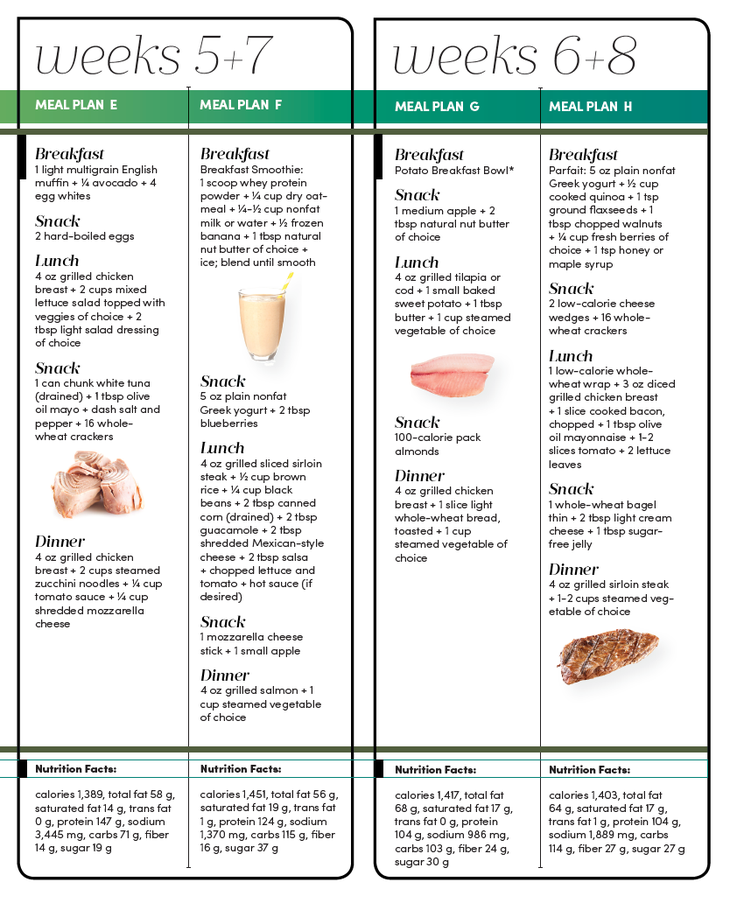
Creating the perfect meal plan for gaining muscle begins with understanding your caloric needs. To effectively build muscle, you need to consume more calories than your body burns. Start by calculating your Total Daily Energy Expenditure (TDEE) using an online calculator or by using the Mifflin-St Jeor equation. Once you know your TDEE, aim for a caloric surplus of around 250 to 500 calories per day. This will support muscle growth without excessive fat gain. In general, your meal plan should consist of:
- Protein: High-quality sources like chicken, fish, eggs, and legumes.
- Carbohydrates: Whole grains, fruits, and vegetables to fuel your workouts.
- Fats: Healthy fats from avocados, nuts, and olive oil for overall health.
Next, it's crucial to prioritize meal timing and frequency in your muscle-building meal plan. Eating around five to six meals a day can help maximize your nutrient intake and keep your metabolism active. Consider these tips:
- Pre-Workout Nutrition: Consume a meal rich in carbohydrates and protein about 1-2 hours before exercising to boost energy levels.
- Post-Workout Recovery: Within 30 minutes of completing your workout, have a meal or shake containing both protein and carbohydrates to support muscle repair.
- Hydration: Drink plenty of water throughout the day to enhance performance and recovery.
By following these guidelines and adjusting portions based on progress, you can create an effective meal plan focused on gaining muscle mass.
What Role Does Nutrition Play in Muscle Growth?
Nutrition plays a vital role in muscle growth by providing the necessary building blocks and energy required for muscle repair and development. When we engage in strength training, muscle fibers sustain tiny tears. It's during rest and recovery that these fibers rebuild stronger, a process heavily influenced by dietary intake. Essential nutrients like proteins, carbohydrates, and fats contribute significantly. For instance, proteins are crucial as they supply amino acids, which serve as the foundation for muscle tissue. Consuming adequate amounts of protein, preferably from sources such as lean meats, legumes, and dairy, is essential for optimal muscle growth.
In addition to protein, carbohydrates play a significant role in fueling workouts and replenishing glycogen stores post-exercise. Adequate carbohydrate intake ensures that the body has sufficient energy to perform strength training effectively, which is critical for inducing muscle hypertrophy. Furthermore, healthy fats are also important; they support hormone production, including testosterone, which is crucial for muscle growth. Therefore, a balanced diet that encompasses a variety of nutrients is fundamental for anyone looking to enhance their muscle growth efficiently.