Top 10 Energy-Efficient Upgrades for a Cozy Home
Upgrading your home for better energy efficiency not only reduces your carbon footprint but also saves you money in the long run. Here are the Top 10 Energy-Efficient Upgrades that can transform your living space into a cozy haven while maximizing energy savings:
- Install Energy-Efficient Windows: Replacing old windows with energy-efficient models can significantly reduce heat loss and keep your home warm during colder months.
- Upgrade Insulation: Proper insulation in your attic and walls prevents heat transfer, making your home more comfortable and reducing HVAC costs. Check Energy.gov for the best insulation options available.
- Install a Smart Thermostat: A smart thermostat allows you to control your home's temperature more precisely, leading to significant energy savings. Many models learn your habits and can be controlled remotely via smartphone.
- Choose ENERGY STAR Appliances: Replacing old appliances with those bearing the ENERGY STAR label ensures superior energy efficiency and lower utility bills.
- Switch to LED Lighting: LED bulbs use up to 75% less energy than incandescent bulbs, making them a smart upgrade for every room in your home.
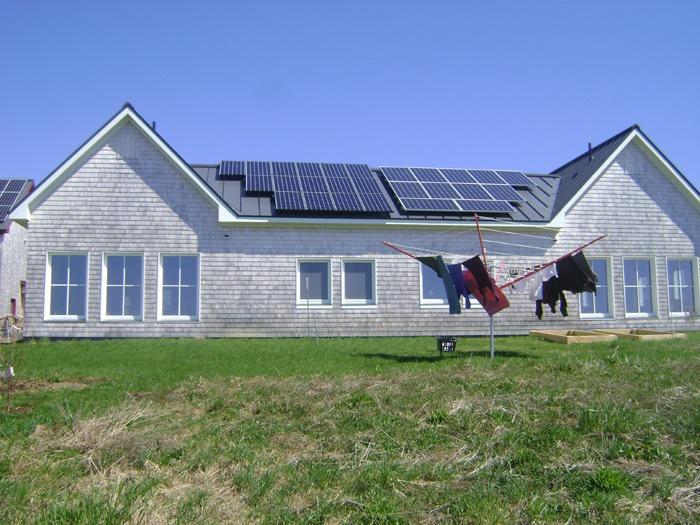
- Consider Solar Panels: Installing solar panels reduces reliance on grid electricity and can even lead to significant savings on energy bills. Explore financing options and incentives available for solar energy installations.
- Seal Air Leaks: Identifying and sealing gaps around doors, windows, and ducts can prevent drafts, enhancing comfort levels and reducing heating costs.
Continuing with our list, here are the final three energy-efficient upgrades you can make to achieve a more cozy home:
- Install a High-Efficiency HVAC System: An updated heating, ventilation, and air conditioning system can operate more effectively while consuming less energy. Look for models that meet ENERGY STAR specifications.
- Use Programmable Power Strips: These devices cut power to electronics when not in use, reducing unnecessary energy consumption.
- Improve Landscape for Energy Efficiency: Strategic landscaping can provide natural windbreaks and shade, helping to maintain your home’s temperature. Consider planting trees and shrubs to improve your home's energy efficiency.
By implementing these energy-efficient upgrades, you can create a comfortable and inviting atmosphere while also making a positive impact on the environment and your budget.
How to Create a Sustainable Living Space Without Sacrificing Comfort
Creating a sustainable living space does not have to come at the cost of comfort. Start by incorporating energy-efficient appliances and lighting options that not only reduce your energy bills but also create a cozy atmosphere. Consider using ENERGY STAR certified products to ensure efficiency. Additionally, invest in eco-friendly furniture made from sustainable materials such as bamboo or reclaimed wood. These choices not only support a healthy planet but can also enhance the aesthetic appeal of your home.
Another effective way to promote sustainability without sacrificing comfort is to focus on indoor air quality and natural elements. Incorporate houseplants, which can purify the air while adding a touch of nature to your space. Plants like spider plants or peace lilies are known for their air-purifying qualities. You can create a comfortable environment by optimizing your living space for natural light; use sheer curtains to allow sunlight in while providing privacy. For more insights on improving indoor air quality, check out this detailed guide from the CDC.
Is Your Home Energy Efficient? 5 Signs to Look For
Determining whether your home is energy efficient can lead to significant savings and a reduced carbon footprint. Here are five key signs to look for:
- High Energy Bills: One of the most noticeable indicators of energy inefficiency is an abnormal rise in your energy bills. If you notice consistent increases despite no major lifestyle changes, it may be time to evaluate your home's overall energy performance. To learn more about energy costs, check out Energy.gov.
- Drafts and Uneven Temperatures: If certain rooms in your home feel drafty while others are too hot or too cold, this suggests poor insulation and air leakage. Addressing these issues can greatly improve your home's energy efficiency. You can read more about identifying drafts at ENERGY STAR.
Old Appliances: Many older appliances consume significantly more energy than new, energy-efficient models. If your refrigerator, washing machine, or HVAC system is outdated, it could be costing you. Consider checking the ENERGY STAR website for the latest energy-saving appliances.
- Water Heater Temperature: Ideally, your water heater should be set to 120°F. Higher temperatures can waste energy and pose a scalding risk. For more tips on managing your water heater effectively, visit Consumer Reports.
- Lighting: Are you still using incandescent light bulbs? If so, switching to LED or CFL can lead to remarkable energy savings. Not only do they use less electricity, but they also last much longer. You can explore the benefits of different lighting options at Efficiency Vermont.